Edo
The Edo State Commissioner for Women Affairs and Social Development, Hon. Eugenia Abdallah, has advocated a more rehabilitative and child-sensitive approach to handling young offenders in the state.
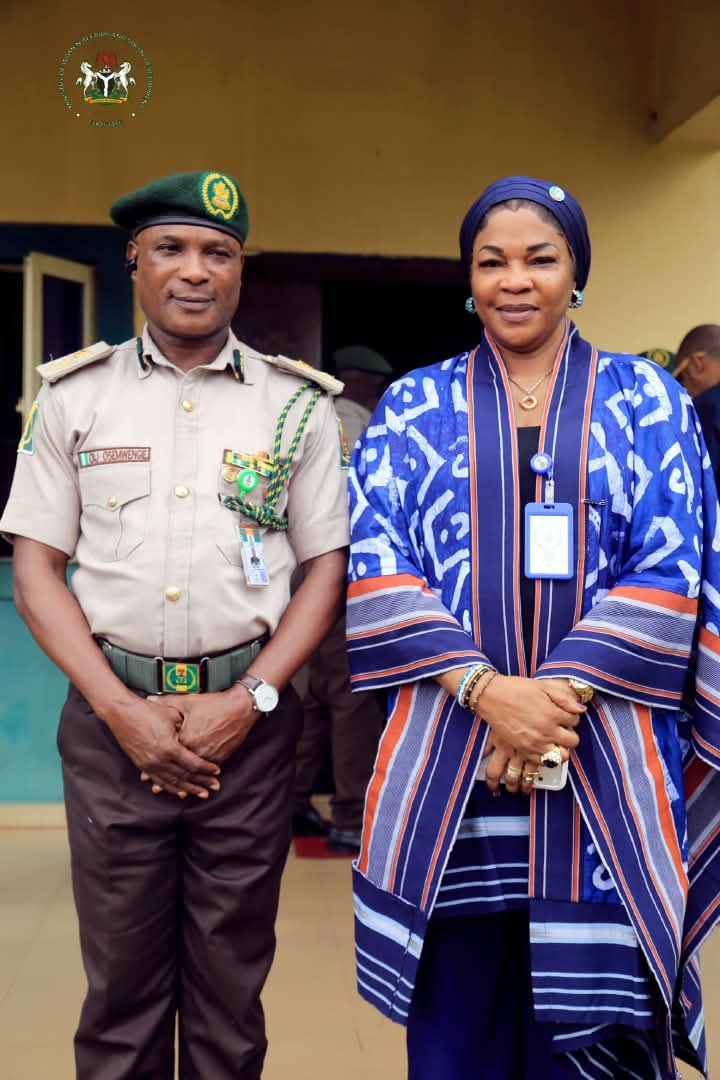
Hon. Abdallah made the call during a follow-up visit to the Nigerian Correctional Service, Edo State Command, in Benin City, following the Service’s earlier visit to the Ministry of Women Affairs and Social Development.
The visit was aimed at strengthening collaboration between both institutions on the protection of children and other vulnerable groups.
The Commissioner expressed concern over the handling of minors and young offenders, noting that institutionalization without adequate psychological support, proper segregation, and rehabilitation could expose young persons to negative influences and undermine their chances of reformation.
She proposed a more holistic approach that would prioritise family-based care, parental responsibility, counselling, and psychosocial interventions for eligible young offenders, alongside access to specialised rehabilitation and skills acquisition programmes.
According to her, young offenders should be given opportunities to acquire practical skills and receive the necessary support to become productive members of society, including the provision of start-up assistance where appropriate.
Hon. Abdallah stressed that the Ministry was committed to working with the Correctional Service to develop sustainable interventions that would advance the welfare of women, children, persons with disabilities, and older persons across Edo State.
She noted that effective rehabilitation and social protection require coordinated efforts among government institutions and other relevant stakeholders, rather than isolated interventions.
Responding, the Controller of Corrections, Edo State Command, Orhunmwonkpawan Julius Osemwegie, acknowledged the importance of inter-agency collaboration, stating that no single institution could independently address the complex challenges associated with child development, security, and offender rehabilitation.
Drawing from his experience, including his PhD internship at the Ugbekun Child Correctional Centre, the Controller highlighted the importance of adhering to established legal and institutional procedures in the handling of children in conflict with the law.
He also recalled previous initiatives at the facility, including educational programmes, lectures on drug abuse delivered by university academics, and extracurricular activities designed to support the development and reformation of young inmates.
The Controller further disclosed that correctional facilities have continued to provide vocational training opportunities, including tailoring, sewing, and soap production, to equip inmates with practical skills for life after custody.
He also acknowledged the role of government investment in infrastructure, alongside contributions from volunteers and educational stakeholders, in supporting rehabilitation efforts within the correctional system.
The discussions underscored the need to strengthen existing initiatives through closer cooperation between the Ministry and the Nigerian Correctional Service, particularly in child protection, rehabilitation, family reintegration, and vocational empowerment.